Moon Dinner Series: "Art & Astronomy"
- Ort: Santa Cruz, CA
- Produkt-Code: MOONSEP26
Moon Dinner Series
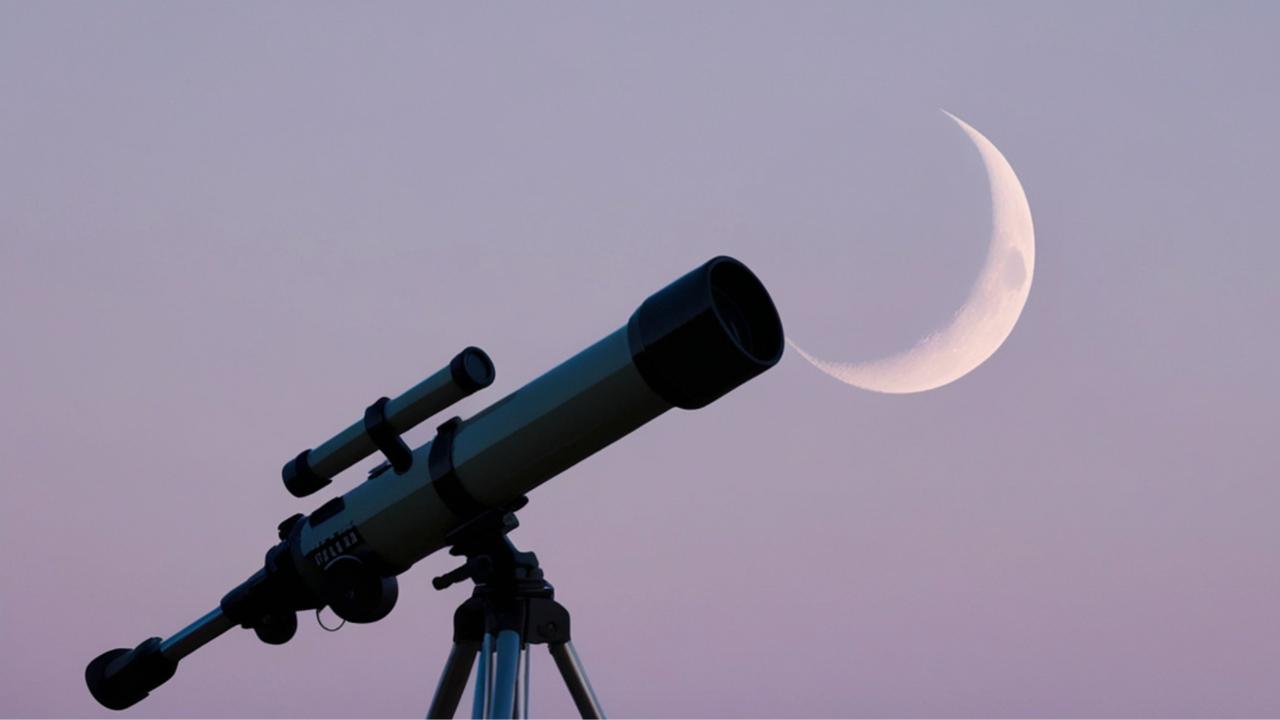
An annual dinner series celebrating the scientific wonder of our moon, sun, universe and beyond. Enjoy a chef curated dinner, wine, and a discussion with astronomy and planetary science educators from UC Santa Cruz followed by a telescope viewing.
Dinner #1: "Art & Astronomy"
Date: Friday, September 18, 2026
Time: 7:00 - 9:30 pm
Location: Chaminade Resort & Spa
Pricing: $93.07 per person (including gratuity & tax)
Plated Menu
Mint-Soaked Watermelon salad with Heirloom Tomatoes, Feta Cheese, Balsamic Reduction, Crushed Pistachios
Braised Short Rib with Wild Mushroom Demi Glaze / Herbed Couscous & Swiss Chard
Pan Seared Halibut, Roasted Herbed Fingerling Potatoes, Citrus Slaw (Grapefruit, Orange, Lime, Julienne Jicama)
Crème Brûlée with Fresh Berries
(Menu subject to change. Please note dietary restrictions in 'Special Requirements' as you check out.)
Program: UC Santa Cruz educator Raja GuhaThakurta will discuss his research on how galaxies form and evolve into the dramatic structures we see today, and how his professional experience informs his artwork, followed by an open conversation, Q&A and telescope viewing.
Presenter Bio: Raja GuhaThakurta has been a professor and astronomer at the University of California Santa Cruz for nearly three decades and the department chair for the last three years. He received a Masters and PhD in Astrophysical Sciences at Princeton University and a B.Sc. in Physics at St. Xavier's College, Kolkata, India. He did research at the Institute for Advanced Study in Princeton, Princeton University, and Space Telescope Science Institute in Baltimore, MD before coming to UCSC. GuhaThakurta's main research topic is galaxies – how they form and evolve into the dramatic structures we see today. His research group also studies the chemical enrichment and star formation history of galaxies. He is privileged to use (among others) the 10-meter Keck telescopes, Subaru telescope, and Canada-France-Hawai`i telescope on the summit of Mauna Kea on the Big Island of Hawai`i, the Lick Observatory telescopes on Mount Hamilton in California, and the Earth-orbiting Hubble Space Telescope and James Webb Space Telescope.